First-Time Landlord Mistakes to Avoid
Every experienced landlord looks back on their early days with lessons learned—often expensively. The good news is that most first-time landlord mistakes are predictable and avoidable if you know what to watch for.
This guide covers the most common mistakes new landlords make and how to avoid them, potentially saving you thousands of dollars and countless headaches as you build your rental property portfolio.
Mistake 1: Inadequate Tenant Screening
The most expensive mistake new landlords make is inadequate screening. Eager to fill a vacancy, they accept the first applicant who shows interest, skip verification steps, or overlook red flags.
Proper screening includes verifying income through pay stubs or tax returns, checking credit history for payment patterns, contacting previous landlords to verify rental history, and conducting background checks. The cost of thorough screening is minimal compared to the cost of a bad tenant—unpaid rent, property damage, and eviction expenses. See our guide: Tenant Screening Questions for detailed screening procedures.
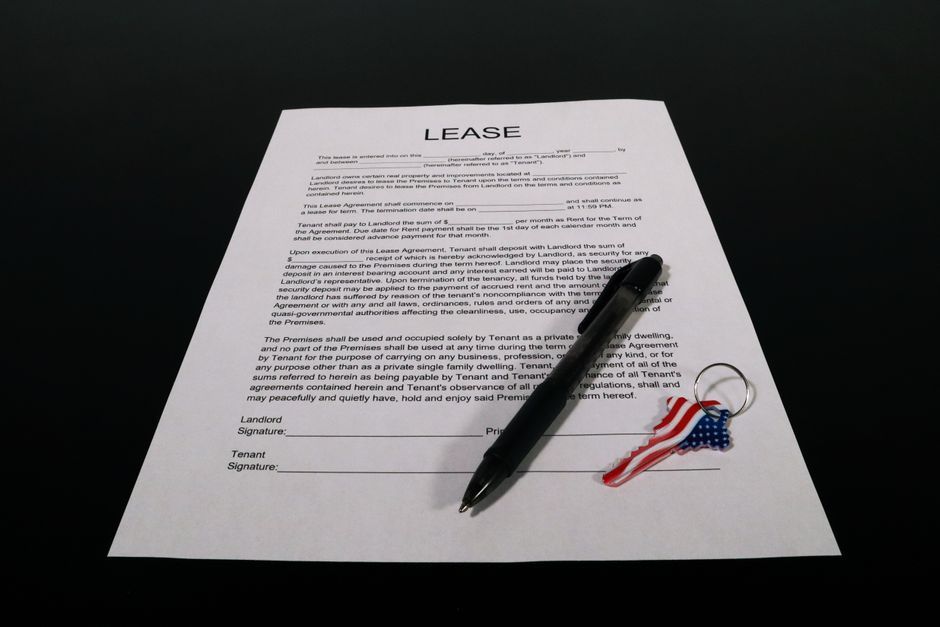
Mistake 2: Using a Weak or Incomplete Lease
A generic lease downloaded from the internet or a one-page agreement that seemed sufficient leaves you vulnerable when problems arise. Strong leases cover rent amount, due date, and late fees; security deposit terms; maintenance responsibilities; pet policies; guest policies; noise and behavior standards; termination and renewal procedures; and compliance with state law requirements.
Ohio landlord-tenant law contains specific requirements that must be reflected in your lease. A lease that violates these provisions may be unenforceable. Consider having an attorney review your lease or using forms designed for Ohio rentals.
Mistake 3: Underestimating Expenses
New landlords often calculate returns based on gross rent minus mortgage payment, ignoring the many other expenses that affect actual returns. Beyond your mortgage, budget for property taxes, insurance, maintenance and repairs (typically 10% of rent), vacancy (5-10% annualized), property management if applicable, capital expenditure reserves, and professional services like accounting and legal.
A property that looks profitable when you only consider rent versus mortgage may actually lose money when all expenses are included.
Mistake 4: Deferring Maintenance
Trying to maximize short-term cash flow by postponing maintenance is a false economy. Small problems become big problems. A minor roof leak becomes water damage, mold, and structural issues. A grinding noise in the HVAC becomes a failed system requiring emergency replacement. Tenants who feel their concerns are ignored become tenants who leave—or stop paying rent.
Proactive maintenance costs less than reactive repairs and contributes to tenant retention. Budget for maintenance and address issues promptly. See our guide: Rental Property Maintenance Checklist for systematic maintenance planning.
Mistake 5: Pricing Without Research
Setting rent based on what you need to cover expenses rather than what the market will bear leads to extended vacancies. Alternatively, underpricing leaves money on the table month after month.
Research comparable properties in your area. Look at what similar units are actually renting for—not just asking prices, but confirmed rentals. Adjust for differences in condition, amenities, and location. Price competitively for the market, not based on your expense requirements.
Mistake 6: Poor Documentation
Inadequate documentation creates problems when disputes arise. Document property condition thoroughly at move-in with photos and a detailed checklist signed by the tenant. Save all written communication. Document maintenance requests and completion. Keep records of rent payments and any issues.
When conflicts arise or eviction becomes necessary, documentation determines outcomes. What you remember won't matter in court; what you can prove does.
Mistake 7: Ignoring Legal Requirements
Ohio landlord-tenant law imposes specific requirements on landlords regarding security deposit handling, notice requirements, habitability standards, eviction procedures, and fair housing compliance. Ignorance of these requirements doesn't protect you from the consequences of violating them.
Learn the basics of Ohio landlord-tenant law before you rent your first property. See our guide: Ohio Landlord-Tenant Laws for essential legal information.
Mistake 8: Treating Landlording as Passive Income
The idea of passive rental income attracts many new landlords, but rental property ownership is not truly passive. Properties require attention: tenant communication, maintenance oversight, financial tracking, lease management, and periodic decisions about repairs, improvements, and rent adjustments.
You can outsource much of this work through professional management, but that's a business decision with costs, not magic. Either invest the time yourself or budget for quality management.
Mistake 9: Emotional Decision-Making
Rental properties are investments, but first-time landlords often make emotional decisions: accepting a tenant because they seem nice despite red flags in screening; avoiding necessary rent increases because they feel guilty; or tolerating lease violations because confrontation is uncomfortable.
Emotions are understandable, but they shouldn't drive business decisions. Establish clear policies and follow them consistently.
Mistake 10: Not Having Reserves
Properties generate cash flow until they don't—vacancy, major repairs, or non-paying tenants can create sudden cash demands. New landlords without reserves find themselves scrambling, potentially making bad decisions under financial pressure.
Maintain reserves sufficient to cover several months of expenses plus potential major repairs. This cushion provides flexibility and peace of mind.
Mistake 11: Choosing the Wrong Property
Not every property makes a good rental. New landlords sometimes purchase based on appreciation potential alone, ignoring cash flow; assume they can rent a property for what similar properties list for, without verifying actual rental rates; or overlook location factors that affect tenant quality and vacancy rates.
Evaluate rental properties as rentals, not just as real estate purchases. See our guide: Columbus Neighborhood Guide for Property Investors for location-specific considerations.
Mistake 12: Going It Alone When You Shouldn't
Some new landlords are well-suited for self-management; others should hire professionals from the start. Trying to manage remotely, managing without sufficient time available, or managing without developing necessary knowledge leads to mistakes that cost more than management fees would have.
Be honest about your situation. Self-management is not for everyone, and there's no shame in delegating to professionals while you focus on what you do best. For a side-by-side look, see DIY vs Professional Property Management.
Starting as a landlord doesn't mean learning every lesson the hard way. At I Heart Real Estate Property Management, we've made the mistakes so you don't have to—and we've developed systems and expertise that help property owners avoid the common pitfalls. Whether you want full management or just guidance getting started, contact us to discuss how we can help protect your investment.